
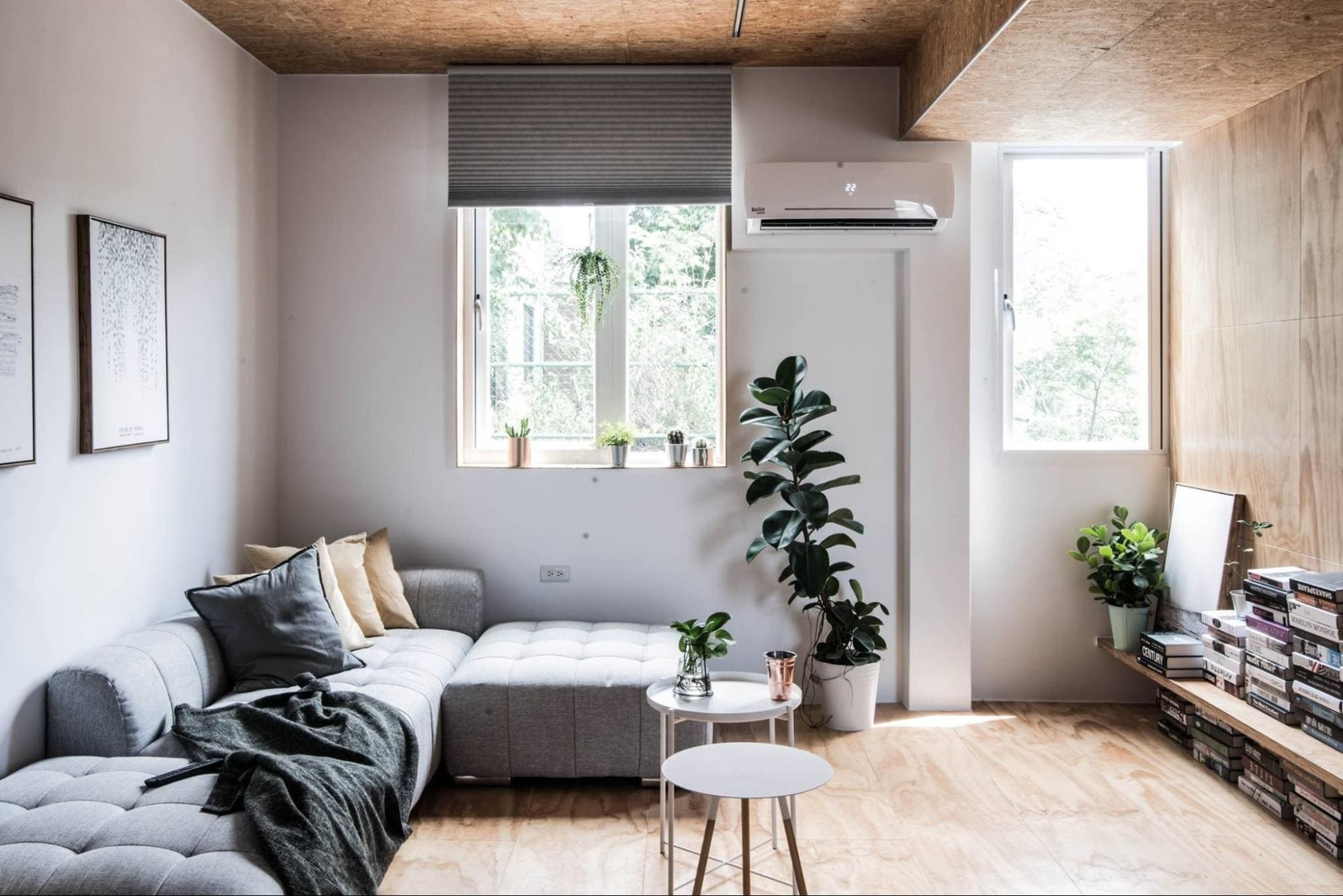
Breathing clean air at home shouldn’t be a luxury; it should be basic. Yet, many homes—especially older ones or those poorly renovated—suffer from a silent problem: air doesn’t circulate as it should. The result? Stuffy environments, humidity, mold, and an uncomfortable feeling that sneaks into daily life without you even noticing.
If you’re considering home renovations, this could be the perfect time to address it. Here’s how to improve ventilation with practical, sustainable solutions designed to truly improve your quality of life.
Why is Good Ventilation So Important?
Before diving into construction, it’s crucial to understand the “why.” Effective ventilation goes beyond just eliminating odors. Renewing oxygen, preventing the buildup of CO₂, reducing the presence of mold, dust mites, and other invisible particles—all of this directly enhances your respiratory health, sleep quality, and even your concentration. And as a bonus, it also helps reduce energy consumption, especially when combined with a good climate control system.
1. Smart Space Redistribution
Sometimes, poor ventilation isn’t caused by a lack of windows but by a layout that blocks natural airflow. This is where a renovation can make a difference.
Long, enclosed hallways? Better open them up or rethink their layout.
Walls blocking air currents? It’s time to consider whether they can be removed or modified.
A kitchen and living room separated but with facing windows? Perhaps combining them would be a good idea.
2. Strategic Windows and Additional Openings
This is where many renovations make a real difference. Placing (or expanding) windows on opposite facades immediately promotes cross-ventilation. You can also install high windows or skylights that allow hot air to escape through natural convection, or add small vents in doors and walls to maintain a constant airflow even when the windows are closed.
If you only have one exterior facade, then it’s time to get creative: internal openings or mechanical solutions can help compensate for that limitation.
3. Mechanical Ventilation Systems: Technology for Clean Air
When natural ventilation isn’t enough due to location, orientation, or layout, the solution lies in controlled mechanical ventilation (VMC). This system continuously renews the air, even with the windows closed.
Its advantages are numerous: it keeps humidity in check, filters particles and allergens, reduces external noise (since there’s no need to open windows), and is also energy-efficient. If planned from the start of the renovation, installation is much easier than it seems.
4. Insulation + Ventilation: The Winning Pair
Many people focus on insulating their homes to prevent heat or cool air from escaping. That’s great. But be careful: a highly airtight house without good ventilation can become a real humidity trap.
During the renovation, make sure to:
- Insulate, but complement the change with systems that renew the air.
- Use breathable materials (natural plasters, eco-friendly paints…).
- Don’t seal everything up without thinking about how the air will circulate afterward.
Using materials that “breathe,” such as natural plaster, and leaving strategic points for air renewal will prevent thermal comfort from working against your health.
5. Renovations in Bathrooms and Kitchens: The Humidity Hotspots
Bathrooms and kitchens concentrate most of the water vapor in the house. Therefore, when renovating these areas, it’s worth installing humidity sensors in extractors, thoroughly checking duct installations, and ensuring air can easily flow in and out, even when no one is around to activate anything.
If possible, connect these spaces to a centralized ventilation system. This way, you won’t be reliant only on manual usage and will avoid future problems.
6. Passive Ventilation: Less Energy, More Efficiency
Taking advantage of natural environmental conditions to renew air without using energy is a strategy that is just as effective as it is overlooked. Solar chimneys, wind towers, or open interior courtyards can be integrated into certain types of renovations, especially in single-family homes, if considered during the design phase.
Although they’re not always feasible, they’re worth exploring if you’re in the middle of a complete renovation. Sometimes, these details are what make the long-term difference.
7. Sensors and Automation: The Final Touch
Imagine if your home could detect when it needs to ventilate itself and just does it on its own. Well, it’s no longer science fiction. With today’s home automation, you can automate motorized windows, VMC systems, or fans based on:
- CO₂ levels
- Ambient humidity
- Whether or not people are in the room
A renovation is the perfect moment to prepare everything: wiring, sensors, connections. This way, you won’t have to carry out another renovation in five years.
A Renovation That Breathes With You
Renovating your home shouldn’t be limited to aesthetics. It’s also about taking care of yourself, living better. Investing in thoughtful ventilation is felt in every detail: in how you sleep, in how you breathe, in how your home feels when you walk in after a day out.
At Hausvetica, we’ve been accompanying those who decide to renovate to live better for a long time. Because every home is different, but they all deserve the same thing: cleaner air, a more comfortable life.