
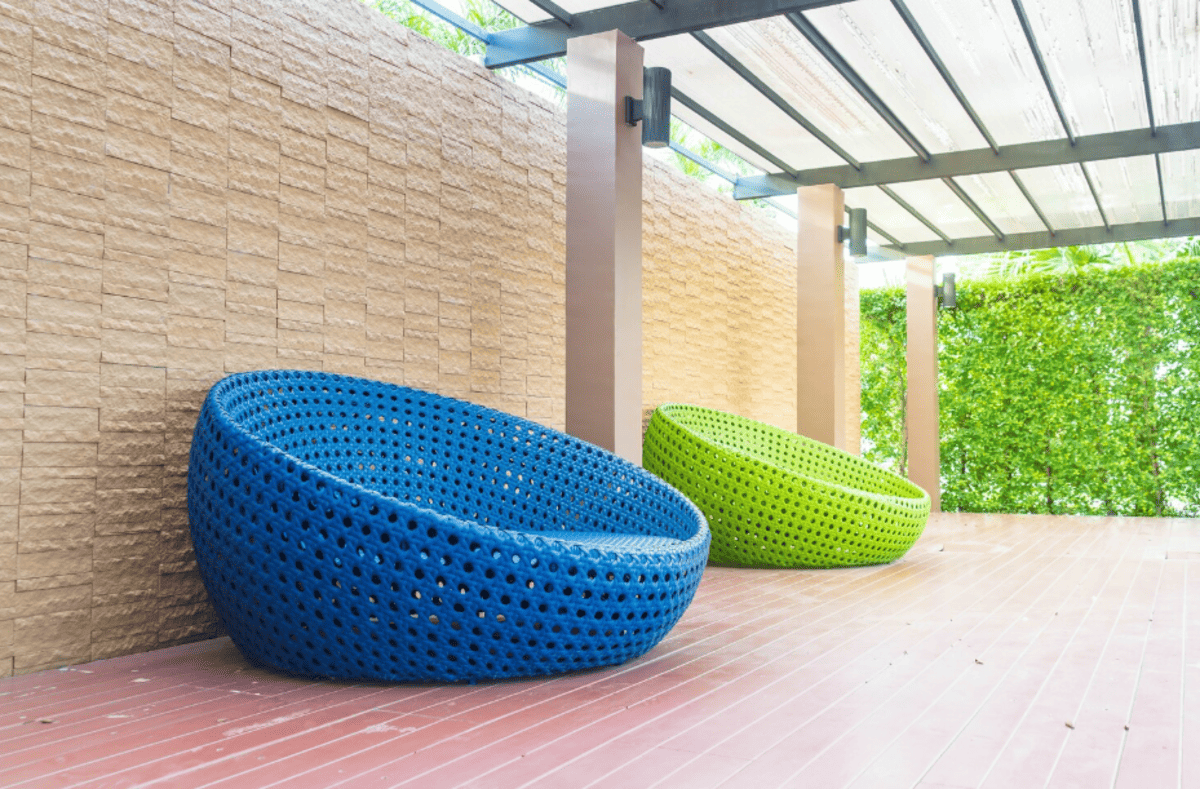
There is a paradox repeated in thousands of homes in Alicante, Santa Pola, and Guardamar: we have one of the best climates in Europe, yet the terrace remains the home’s “junk room.” That’s where plastic chairs, plantless pots, and the exercise bike you bought during the pandemic with the best of intentions go to die.
Renovating a terrace is not a decor magazine whim: it’s one of the investments with the best return you can make for your home, both in quality of life and market value. In the Costa Blanca, where the outdoors is habitable almost 12 months a year, not taking advantage of it is quite simply a luxury we cannot afford.
From storage room to favorite space
A well-renovated outdoor space completely changes the relationship you have with your home. We are talking about square meters you already have, already paid for, and are simply not using.
Furthermore, in the real estate market of municipalities like Elche, Gran Alacant, or Guardamar del Segura, a renovated and habitable terrace can mean a difference of between 8% and 15% in the property’s appraisal value. This is no small detail if you ever plan to sell or rent.
Types of terraces: one size does not fit all
Before searching for pergolas on Pinterest, it is helpful to understand the space you have. An 8 m² balcony in the center of Alicante is not the same as a 40 m² penthouse terrace in a Santa Pola residential complex.
- Mid-floor open terrace: The most common in residential blocks. It needs shade for the summer, lateral privacy, and flooring that doesn’t turn into a griddle at 2 PM in August.
- Penthouse terrace: The premium asset: more construction freedom, better views, more possibilities. Covered pergolas, chill-out zones, even outdoor kitchens. The challenge is wind exposure and impeccable waterproofing.
- Covered terrace or porch: Frequent in villas and single-family homes. The roof is already there; the work focuses on the floor, lateral conditioning, and lighting.
- Extended balcony: Small in meters but big in potential. With a vertical garden, recessed lighting, and compact furniture, it can become the favorite corner for morning coffee.
Terrace flooring: materials that withstand everything (or not)
In the Costa Blanca, the floor has two enemies: summer UV radiation and saline humidity near the sea. Choosing poorly guarantees problems within two or three seasons.
- Outdoor porcelain stoneware: The most durable. It resists heat, occasional frost, and salt. Choose light tones to prevent it from becoming too hot in August.
- Composite decking (WPC): A warm look without the problems of natural wood: it doesn’t splinter, doesn’t require annual treatment, and withstands marine humidity without deforming. The most requested solution in apartments near the beach.
- Treated natural wood: Beautiful, but requires sanding and protective oil every season. If you are not willing to do that maintenance, composite gives you the same result with much less work.
Privacy and shade: pergolas, awnings, and lattices
If there are two universal needs in an Alicante terrace renovation, they are these: shade in summer and privacy from neighbors.
- Bioclimatic pergolas: The most complete solution. The adjustable slats regulate light entry and airflow, allow the terrace to be used in the rain, and extend the season well into autumn. Higher initial investment, but lower long-term cost.
- Awnings: The most economical and versatile option. In areas with a sea breeze—Santa Pola, Gran Alacant—invest in an awning with automatic wind retraction to avoid scares.
- Aluminum lattices: They solve lateral privacy without raising walls. Those with a wood-imitation finish combine a warm aesthetic with total resistance to saline corrosion. Less than 500 meters from the sea, lacquered aluminum is practically mandatory if you want it to last more than five years.
Outdoor lighting: the terrace is also for the night
A terrace without planned lighting dies with the sun. In our climate, July and August nights on the terrace are the best hours of the day.
The key is to combine three types of light: ambient (wall sconces or perimeter LED strips), accent (recessed spotlights in the floor or pergola), and decorative (garlands or floor lamps resistant to the wind). This combination allows you to regulate the mood: intimate dinner, gathering with friends, or quiet reading.
What you should know about materials on the Costa Blanca
Renovating a terrace in Alicante is not the same as doing it in Madrid. The Mediterranean microclimate imposes specific conditions:
- Salinity changes everything: Less than a kilometer from the sea, discard any metal that is not anodized aluminum or 316 stainless steel. Standard iron has its days numbered in coastal environments.
- UV radiation is brutal: Paints, fabrics, and plastics without specific UV treatment degrade in one or two seasons. This extra cost for technical materials pays for itself quickly in avoided maintenance.
- Winter exists too: Mild, but it exists. A ceiling heater or a bioethanol fireplace allows the terrace to be used until December. In the Costa Blanca, it’s not a luxury: it’s perfectly reasonable.
How much does it cost to renovate a terrace?
Real ranges to guide you: a basic renovation (floor, awning, and lighting) in 10-15 m² can be between €3,000 and €6,000. A medium renovation with composite, lattices, and a motorized awning, between €6,000 and €12,000. A complete renovation with a bioclimatic pergola, vertical garden, and home automation can exceed €15,000 for large terraces.
What these ranges do not include are bad decisions: installers without coastal experience, materials without UV protection, or cheap waterproofing. Those “savings” usually cost double in repairs after three years.
At Hausvetica, we renovate terraces in Santa Pola, Gran Alacant, Guardamar, and Elche with materials suitable for the environment and designs that adapt to those who live there. Because a well-made terrace isn’t just renovated: it’s enjoyed.
Do you have a project in mind? Email us at info@hausvetica.com or call us at 614 140 865.